










Unlocking Efficiency and Simplicity: The Ultimate Guide to User-Friendly Thermal Silicone PadsThermal Silicone Pad
What Are User-Friendly Thermal Silicone Pads?
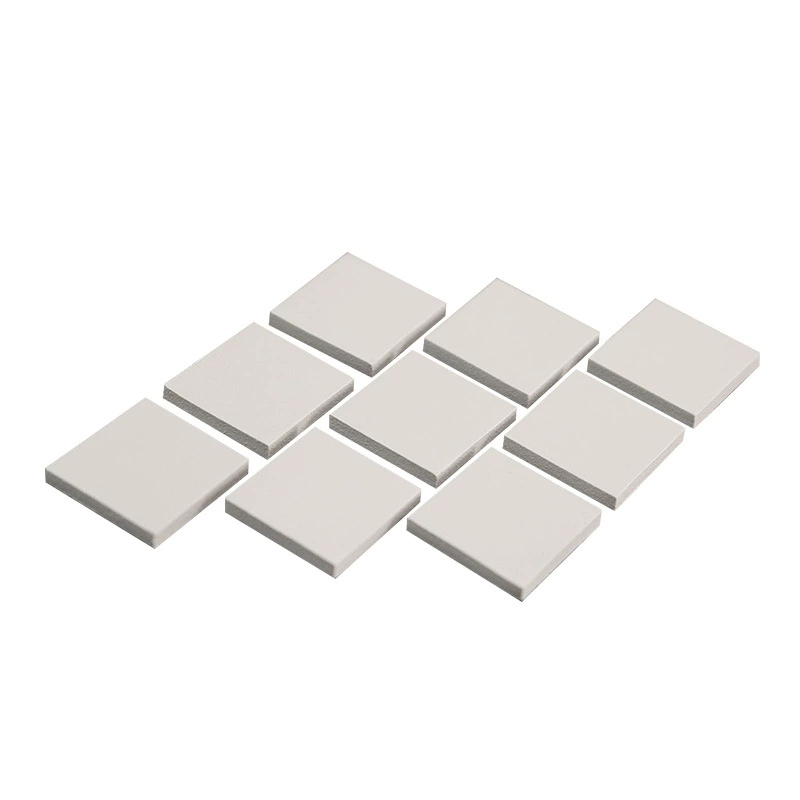
User-friendly thermal silicone pads are specialized materials designed to transfer heat away from electronic components, such as CPUs, GPUs, and power modules. Unlike traditional thermal pastes, these pads are pre-cut or easily customizable, making them simple to apply without mess or guesswork. KKG silicone thermal pads, in particular, are known for their high thermal conductivity, flexibility, and durability, ensuring reliable performance in various environments.
Key Benefits of Using KKG Thermal Pads
One of the primary advantages of KKG thermal pads is their ease of use. They come in various thicknesses and sizes, allowing for precise fitting without the need for complex tools. This reduces installation time and minimizes errors, making them ideal for both DIY enthusiasts and professional technicians. Additionally, these pads are non-conductive and resistant to aging, which enhances safety and longevity in electronic devices. Their excellent thermal conductivity ensures efficient heat dissipation, preventing overheating and potential damage.
Applications in Modern Electronics
User-friendly thermal silicone pads are widely used in consumer electronics, automotive systems, and industrial equipment. For example, in laptops and smartphones, they help maintain optimal temperatures during intensive tasks. In automotive applications, they protect sensitive components from heat generated by engines or batteries. KKG pads are also popular in LED lighting and renewable energy systems, where consistent thermal management is essential for efficiency and reliability.
Tips for Effective Installation
To maximize the benefits of KKG thermal pads, follow these simple steps. First, clean the surfaces of the components to remove any dust or residue. Next, measure the area and select a pad with the appropriate thickness—typically between 0.5mm and 5mm. Peel off the protective film and apply the pad evenly, ensuring full contact without air gaps. For best results, apply gentle pressure to secure the bond. Remember, proper alignment is key to avoiding thermal inefficiencies.
Common Questions
How do I choose the right thickness for a thermal pad?
Select a thickness that matches the gap between the heat source and the heat sink. Measure the distance accurately and refer to manufacturer guidelines, such as those from KKG, which often provide charts for different applications.
Can thermal silicone pads be reused?
While some pads may be reusable if carefully removed, it's generally recommended to replace them after disassembly to maintain optimal thermal performance and avoid contamination.
Are KKG thermal pads safe for all electronic components?
Yes, KKG thermal pads are non-conductive and chemically stable, making them safe for most electronics. However, always check compatibility with specific materials, especially in high-temperature or corrosive environments.